Swatch and the Case for Unlikely Partnerships
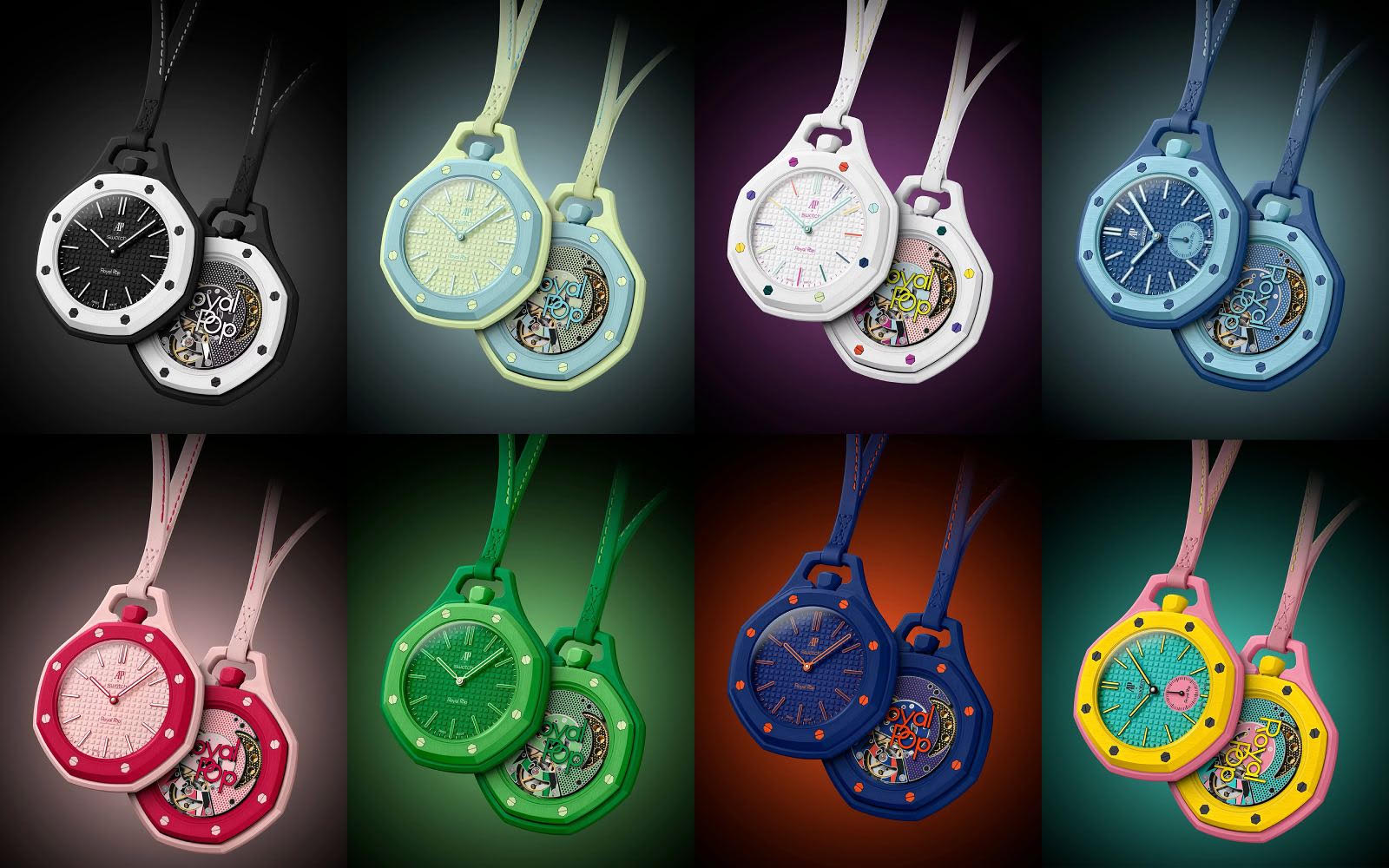
A collaboration that looks logical on paper rarely becomes something people talk about. Swatch and Audemars Piguet shouldn't belong together — which is exactly why Royal Pop works. The distance between two brands can be the whole point.
There's an old idea in brand building that says you should partner with someone who fits your own brand. Same audience. Same world. Same feeling. I often think the opposite is true. Because if two brands already stand side by side, the result tends to be predictable. Handsome, correct and completely uninteresting. It's when two worlds that shouldn't meet actually do that things start to happen.
Swatch is a brilliant example
The magazine King has picked up on Swatch's new collaboration with Audemars Piguet and calls it ingenious. I agree. Audemars Piguet stands for exclusive Swiss watchmaking and one of the industry's true icons: the Royal Oak. Swatch stands for colour, playfulness, accessibility and an entirely different price tag. Now they've put both brands in the same blender.
The result is Royal Pop, where the Royal Oak's famous octagonal design language meets Swatch's colour-drenched POP heritage from the 1980s. Eight models in Bioceramic, designed as pocket watches that can also be worn around the neck, on the wrist or on a bag.
It sounds almost like something raised in a brand meeting that should have been met with: "No. Absolutely not." And that's precisely why it works.
Swatch has done this before
The Omega collaboration turned the MoonSwatch into a phenomenon. Then came Blancpain. Now they're going further still with Audemars Piguet, which — unlike Omega and Blancpain — isn't part of the Swatch Group. That's an important difference. Because Swatch isn't just building new products through its collaborations. It borrows another brand world for a while and lets it shift the perception of its own.
Omega gives Swatch space history and prestige. Blancpain gives traditional Swiss watchmaking. Audemars Piguet gives access to an even more exclusive world. But the genuinely clever part is that Swatch never tries to become Audemars Piguet.
Royal Pop is still very much Swatch. The colours, the material, the humour and the way the watch is worn make the Royal Oak a little less ceremonial, rather than the other way around.
What brand collaborations are actually for
This is where many companies miss the point of partnerships. They pick a partner that looks roughly the same, speaks to roughly the same people and already occupies the same space. The risk goes down. So, usually, does the attention. A good partnership should add something your own brand lacks, without erasing what you already are.
That holds for fashion, beauty, sport, design, retail and, frankly, every industry. It holds for personal brands too. The people, environments and contexts we choose to be associated with shape how others value us. Association is branding. And sometimes the distance between two brands is the whole point.
When low price meets luxury
When low price meets luxury, something happens. When tradition meets pop, something happens. When two audiences who would never normally stand in the same queue suddenly do, you've created more than a product. You've created a story people want to pass on. That's considerably harder than placing two logos next to each other. And considerably more valuable.