Party Leaders' Personal Brands – Elisabeth and the Problem of Recognition
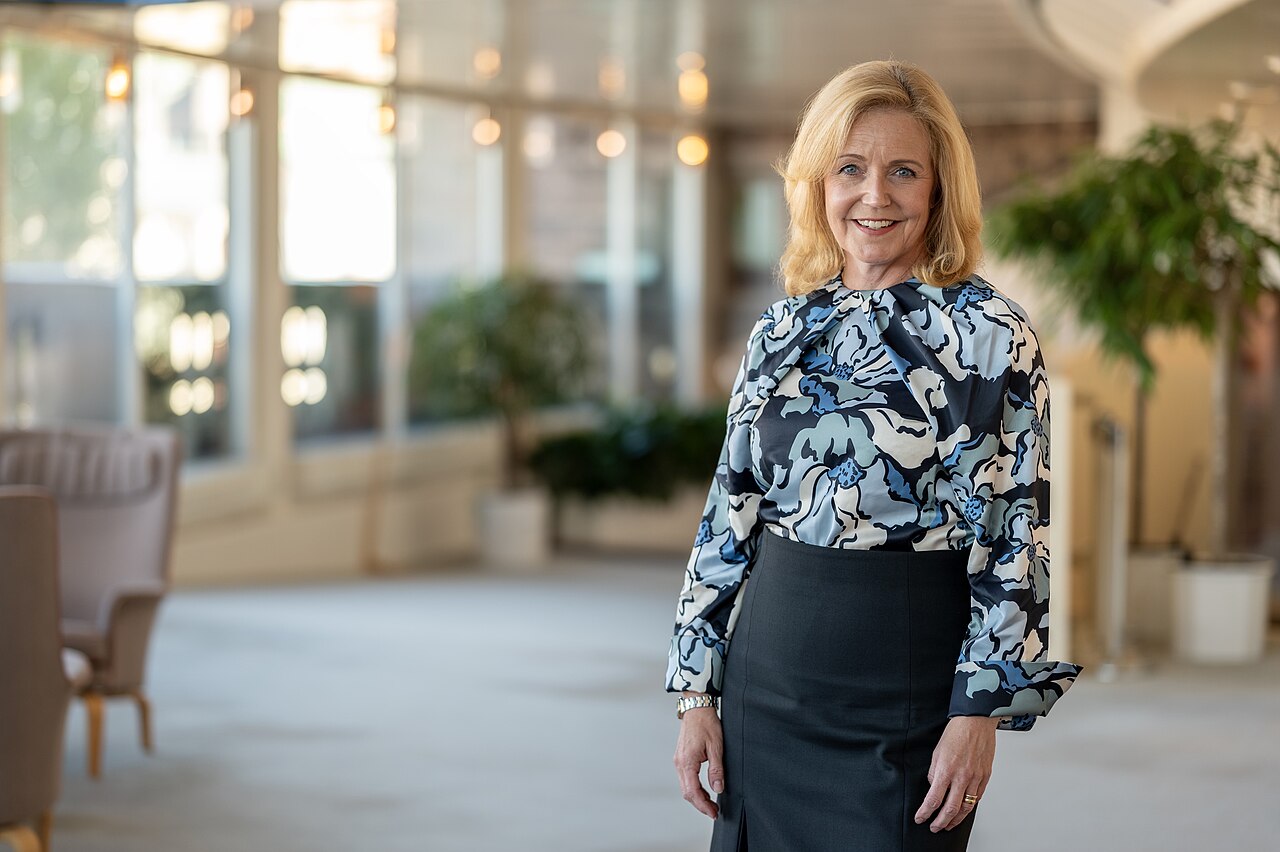
Elisabeth Thand Ringqvist enters her first general election campaign with a task the other party leaders are spared: voters have to learn who she is first. That makes consistency more valuable than variation — in colour, imagery and tone.
Ahead of the coming election, we're looking at the personal brands of Sweden's party leaders and how they've been sharpened over the course of the campaign.
Elisabeth Thand Ringqvist has a challenge that Magdalena Andersson, Ulf Kristersson and Jimmie Åkesson barely need to think about: recognition. She was elected leader of the Centre Party in November 2025, which means she goes into her first general election campaign with less than a year in the role.
Ahead of her first major party leader debate in May, a simple vox pop on the street showed that many voters still couldn't identify her — something she met head-on with the ambition to be clear, explanatory and to speak directly to viewers.
From a personal branding perspective, that's a very concrete task: people have to learn who you are before they can start attaching a story to the name.
Professional without being severe
So far, Thand Ringqvist has often appeared in blazers, shirts and clean, classic pieces, but her look is less rigid than Kristersson's. It suits a leader trying to hold together a business-owner profile, rural issues, climate and a more pragmatic position at the centre.
The visual impression reads as competent rather than authoritative, which works well with her background and the Centre Party's positioning — but it also means she doesn't yet have a distinct visual signature.
That isn't necessarily a problem, but for a new party leader consistency is worth more than usual. While voters are still learning your face, you gain from having the same palette, hairstyle, silhouette and photographic style come back again and again.
Language built on optimism
In her first Almedalen speech as party leader in 2026, she worked very deliberately with optimism and the message "Sweden can do more", tying it to jobs, the economy and climate.
That's a sensible territory to try to own, because optimism creates a different position from the problem-focused rhetoric that dominates much of politics.
My advice: build recognition before you build variation
I would work very consistently with her visual identity for the rest of the campaign, and repeat an expression that works rather than trying many different ones. A few recurring colours that clearly sit well with the Centre Party's green identity, a consistent photographic style, and a steady balance between professional and relaxed would all help recognition.
On language, I think she's right not to compete for the title of angriest voice in the room. If clarity and optimism become her own hallmarks, she ends up with a position that's easier to tell apart from her competitors'.