LIUX is building a car from biomaterials — the design has to make people want it before they start counting emissions
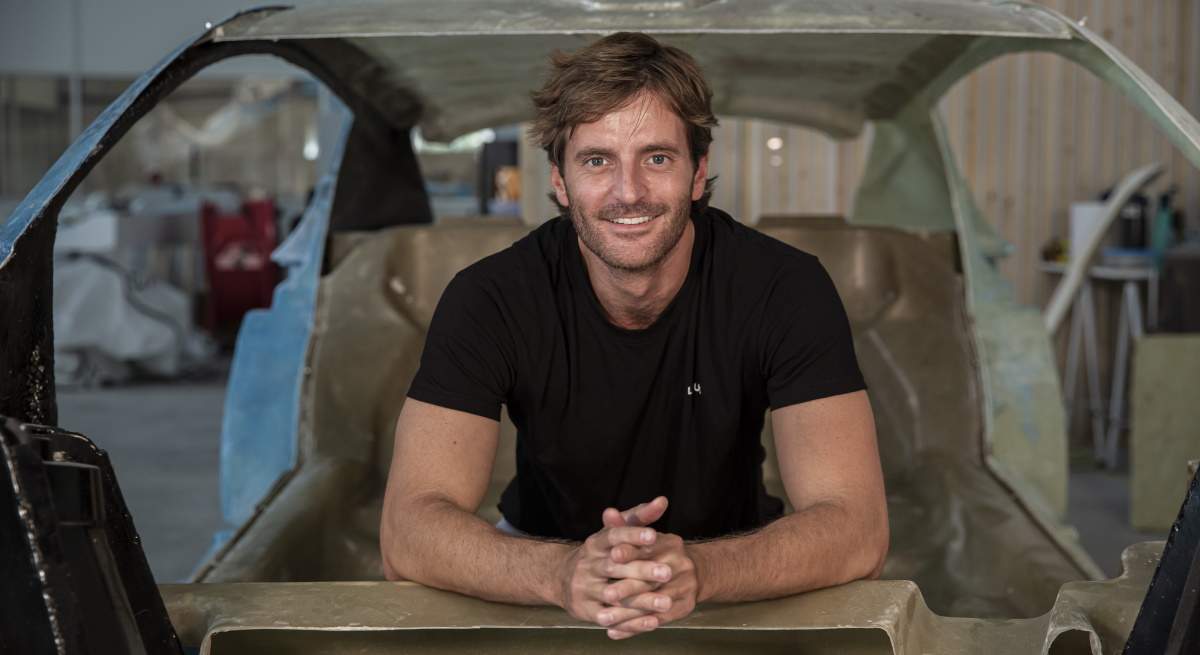
A car made from biofibres and bioresin doesn't become a strong brand simply because the material is smarter than the competition's. Spain's LIUX has a chance to turn its construction into a cultural asset — if desire comes before morality.
The car industry loves big words, and electrification hasn't exactly made the press releases shorter. Spain's LIUX has taken a more concrete route: the company develops lightweight electric vehicles where large parts of the body are made using biomaterials and 3D printing. Wired UK counts it among Europe's more interesting startups.
That makes LIUX particularly relevant to BBMB, because the company sits exactly where design, mobility and sustainability meet. A technically better car is not automatically a strong consumer brand — the history of the automotive industry offers plenty of evidence on that point.
The material can matter as much as the engine
LIUX works with materials based on organic fibres and bioresins, and wants a more modular construction for its vehicles. There is an opportunity here to tell a different kind of car story than the usual one about horsepower, acceleration and a screen that has grown two centimetres.
Materials can carry identity in cars the way they already do in fashion and furniture design. The customer can understand and feel the difference without having to become an engineer first.
BBMB's recommendation: build a design house around mobility
I would position LIUX closer to contemporary design and architecture than to traditional automotive marketing. Collaborations with designers, creatives and material innovators can turn the construction into a cultural asset rather than merely a technical argument.
That also means the visual identity needs to feel genuinely considered. If the car is to be read as a new way of thinking about materials and mobility, the website, showroom, photography and launches cannot look like those of any other newly founded car company.
BBMB's work with premium positioning and brand experiences rests on exactly this: the idea behind the product should be felt in every detail surrounding the brand.
The environmental argument mustn't become an excuse for dullness
LIUX should also avoid turning sustainability into a moral appeal. Customers should want the car because it is beautiful, intelligent and different; the lower environmental impact should intensify that desire, not replace it.
Fashion learned that lesson the hard way. Very few people buy an ugly jacket just because the zip happens to be recycled.