Chili’s comeback started by keeping things simple
Brand development is often about change. But sometimes the smartest thing a company can do is stop changing itself away from what it actually is.
I thought about that when I read Mark Wilson’s feature on Chili’s in Fast Company, Special Issue Your Autonomous Future, summer 2026. It describes how the American restaurant chain, after years of being somewhat stuck in a grey zone, has found new life.
And the most interesting part is not really the restaurants. It is what the Chili’s story says about brands. Chili’s was hardly an unknown company that needed to build awareness. Quite the opposite. Americans knew very well what Chili’s was. The chain had been around since 1975 and had become part of everyday American life.
The problem was actually worse. People knew the brand, but they had stopped caring much about it. That is a rather uncomfortable position for a company to be in. Being unknown is something you can do something about. You can advertise, increase visibility, create PR and buy reach. Being well known but uninteresting is trickier.
Over the years, Chili’s had done what many large companies do. The menu had grown. The business had become more complicated. There were more competitors. And somewhere along the way, what had once made Chili’s feel like Chili’s had become less clear.
I recognise this from brand work. As companies grow, they like to add things. New products. New business areas. New target groups. New messages. New campaigns. No one wants to remove anything, because someone somewhere always thinks that particular part is very important. In the end, you have a brand trying to say fifteen things at once. The usual result is that no one really hears anything.
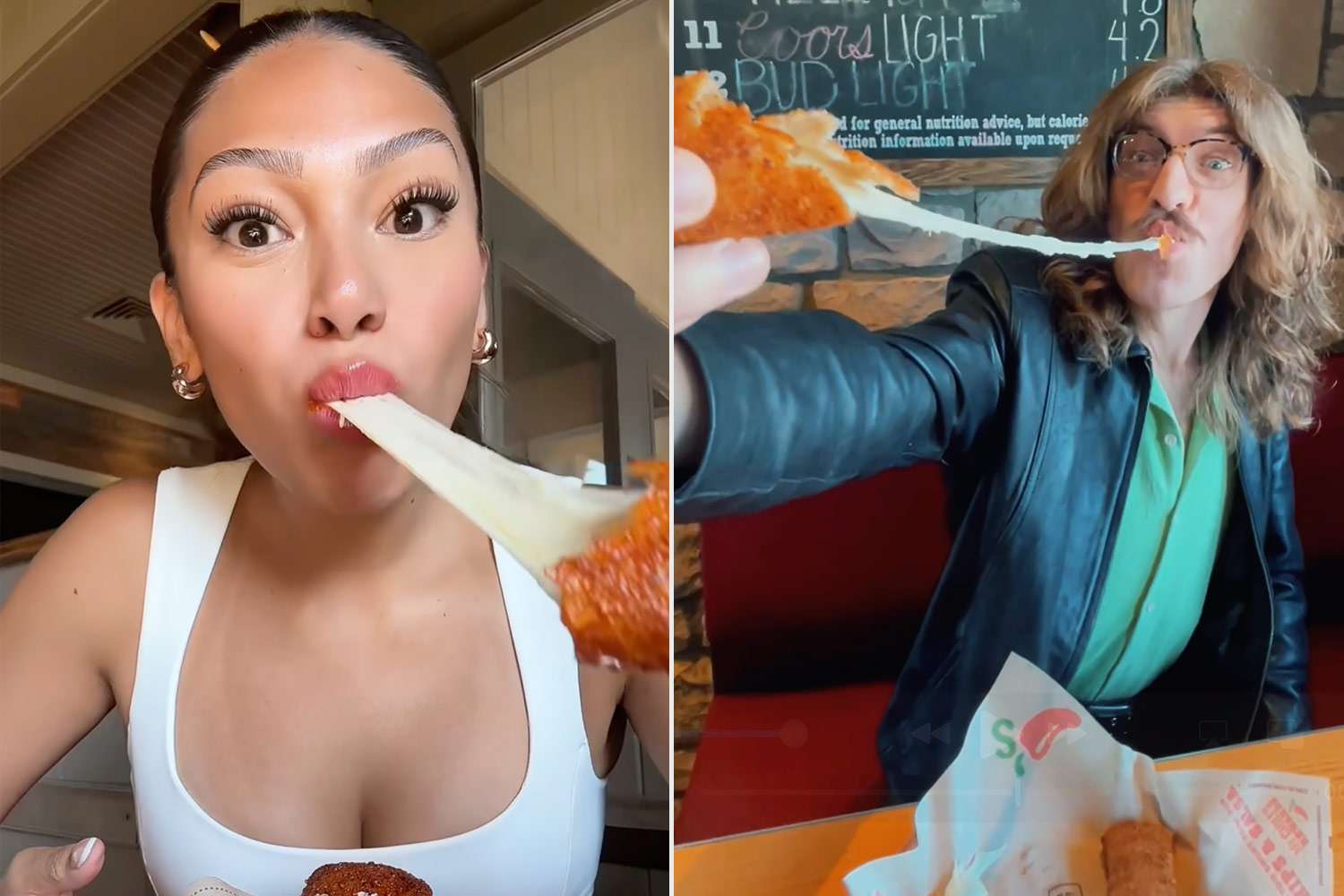
Chili’s started simplifying instead. Fewer dishes. More focus on the food people actually wanted to eat. Faster service. A clearer experience. And then something happened that is almost impossible to order in a Monday morning meeting with the marketing department. Mozzarella sticks went viral. Suddenly TikTok was full of people pulling metre-long strings of melted cheese from Chili’s Triple Dipper.
It is easy to laugh at, of course. But for a brand, it is almost the dream scenario. The product became the communication. No one needed to explain what was fun about Chili’s. The customers did it themselves. And there is an important distinction here that many companies miss. You cannot communicate your way out of a weak product. A strong product, on the other hand, can create a great deal of communication all by itself.
At the same time, Chili’s started looking backwards. Instead of making the restaurants more anonymous and more like everyone else, the company began bringing back elements that had once made the brand distinctive. The colours. The chilli peppers. The illustrations. That slightly exaggerated American feel. More Chili’s, simply put.
I think that is the most interesting part of the whole story. Because there is this idea that a modern brand has to look modern in a very specific way. A bit beige. A bit black. A bit minimalist. Preferably with a typeface that looks exactly like every other company’s typeface. And then people wonder why customers cannot tell the difference.
This is not just about restaurants. I see the same thing in fashion, beauty, lifestyle and design. Companies with a fantastic history, a clear founder, a distinctive visual language or a product people genuinely love, but which, in the pursuit of something new, start polishing away the very thing that made them interesting in the first place. It is a strange way to develop a brand. A bit like renovating a turn-of-the-century apartment and starting by ripping out the original mouldings.
Sometimes, of course, a company really does need to change. Old business models do not work forever, and customers change. But development does not have to mean a personality transplant. It can just as well mean becoming clearer about who you already are. And I think that is one of the most important lessons from Chili’s.
Before commissioning a new visual identity, rewriting the entire brand platform or deciding to chase a new target audience, it may be worth asking a few much simpler questions. What did people like about us in the first place? What do they still recognise? What have we made unnecessarily complicated? And what have we accidentally removed that should probably have stayed?
It is not as exciting as launching a completely new concept, but it may be much smarter. Because Chili’s comeback does not seem to be primarily about the company inventing a new version of itself. It is more about someone finally recognising the value of the old one. With better food, a simpler operation and a very large amount of melted cheese on top. Sometimes brand development really is no more complicated than that. The problem is that companies rather enjoy making it so.