Biomemory Wants to Store Data in DNA — The Real Challenge Is Making Science Fiction Legible
When the technology itself is astonishing, the brand's job is to make it comprehensible, not more spectacular. Paris-based Biomemory stores digital data in synthetic DNA — and risks a market that is fascinated by the method without understanding why it is needed.
Biomemory is selling an idea that sounds like something a screenwriter came up with late on a Friday night: digital information stored in DNA. The Paris company, however, is entirely real, and Wired UK counts it among Europe's hottest startups.
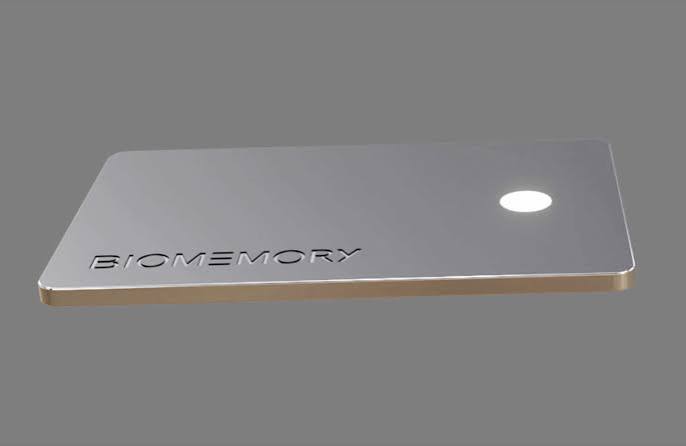
The technology works by encoding digital data as DNA sequences, which in theory makes it possible to hold very large volumes of information in an extremely small physical space. Biomemory has already presented physical products in which smaller amounts of data can be stored in synthetic DNA, and is working towards considerably larger storage solutions.
The problem is not that the idea is uninteresting
Biomemory's difficulty is the opposite one. The technology is so spectacular that the brand risks getting stuck in the fascination with the method itself, while the customer is still wondering when, why and at what price she actually needs it.
This is a familiar challenge for deeptech companies. Founders and investors understand the technical achievement; the market needs to understand the use.
BBMB's recommendation: build a category, not just a company
Biomemory has the opportunity to become the name people associate with DNA storage before the category becomes ordinary. Getting there requires substantial investment in explanatory storytelling, visual clarity and a consistent voice that makes the technology understandable without talking down to anyone.
Founders and researchers should also be given a clearer public profile. When a company asks the market to believe in an entirely new method of storage, people want to know who stands behind it, why they believe in it and which problems they are trying to solve.
This sits close to BBMB's work with personal branding and strategic storytelling. For advanced technology companies, the people behind the innovation can account for a large share of the brand's credibility.
Avoid futuristic clichés
At the same time, there is no shortage of deeptech companies whose websites look designed for a film set in 2085. Biomemory does not need more blue light beams or images of DNA helices floating through space.
The technology is interesting enough as it is. The brand will almost certainly gain more from precision, intelligence and a calm confidence than from trying to look like the future.